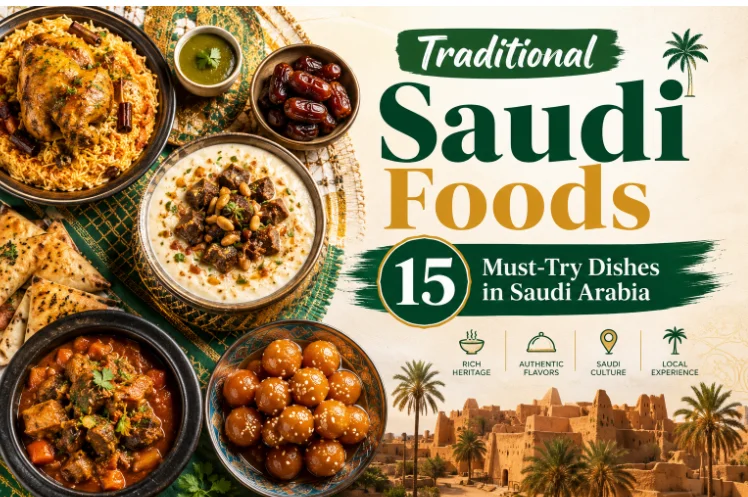
The rich culinary heritage of Saudi Arabia is much more than a collection of recipes. Food in the Kingdom represents hospitality, family traditions, regional identity, and centuries of cultural exchange. Anyone interested in understanding the country quickly discovers that traditional foods in saudi arabia tell a story that goes far beyond what appears on the plate.
Across deserts, mountains, coastal cities, and bustling urban centers, Saudi cuisine has developed unique flavors shaped by geography, trade routes, and local customs.
Spices from Asia, ingredients from neighboring regions, and generations of cooking traditions have all contributed to creating one of the most fascinating food cultures in the Middle East.
Many people immediately think of Kabsa when Saudi food is mentioned. While Kabsa certainly deserves its reputation, it is only one piece of a much larger culinary picture. From slow-cooked meat dishes to fragrant rice meals, fresh breads, hearty stews, and sweet desserts, there is an incredible variety waiting to be explored.
This guide will help you discover the most famous traditional foods in saudi arabia, their cultural significance, and why these dishes remain an important part of daily life throughout the Kingdom.
What Makes Traditional Foods in Saudi Arabia Unique?
Quick Answer
Traditional foods in saudi arabia are known for their rich use of spices, generous hospitality, slow-cooked meats, aromatic rice dishes, and strong connections to family and cultural traditions.
Saudi cuisine developed in a region where hospitality was considered essential for survival. Travelers crossing long desert routes often relied on the kindness of local communities. Over time, welcoming guests with food became a deeply respected cultural value.
Even today, sharing meals remains one of the strongest symbols of Saudi hospitality.
Some common characteristics include:
- Aromatic spices
- Rice-based dishes
- Lamb, chicken, and camel meat
- Freshly baked bread
- Dates and coffee
- Large communal meals
- Regional cooking styles
These elements help distinguish Saudi cuisine from other Middle Eastern food traditions.
The Role of Food in Saudi Culture
Food is often at the center of family gatherings, weddings, religious celebrations, and social events.
During major occasions, families prepare elaborate meals that bring relatives and friends together. Traditional dishes are often passed down through generations, preserving both recipes and family memories.
Here is something many visitors notice immediately: meals are not simply about eating. They are about connection.
A large platter placed in the center of a gathering encourages sharing, conversation, and community. This cultural practice reflects values that have remained important throughout Saudi history.
Kabsa: The National Dish of Saudi Arabia
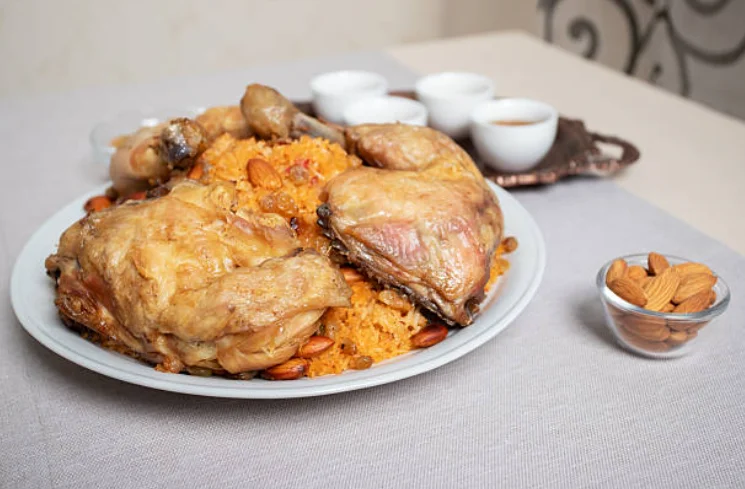
No discussion about traditional foods in saudi arabia would be complete without Kabsa.
Kabsa is widely considered the national dish and is one of the most beloved meals across the country.
What Is Kabsa?
Kabsa consists of:
- Long-grain rice
- Chicken, lamb, goat, or camel meat
- Tomatoes
- Onions
- A blend of aromatic spices
The dish is cooked slowly, allowing the flavors to blend beautifully.
Popular spices used in Kabsa include:
- Cardamom
- Cinnamon
- Cloves
- Black pepper
- Bay leaves
- Dried lime
The result is a flavorful and fragrant meal that has become a symbol of Saudi hospitality.
Why Kabsa Holds Special Importance
Kabsa is more than just a meal.
It is often served during:
- Family gatherings
- Weddings
- Religious celebrations
- National events
- Guest visits
In many households, preparing Kabsa is considered a sign of generosity and respect toward visitors.
Because of this cultural significance, many travelers view Kabsa as the best introduction to authentic Saudi cuisine.
Mandi: A Favorite Across the Kingdom
Another famous dish among traditional foods in saudi arabia is Mandi.
Although it originated in Yemen, it has become extremely popular throughout Saudi Arabia.
What Makes Mandi Different?
Mandi is known for:
- Tender meat
- Lightly seasoned rice
- Unique cooking methods
Traditionally, the meat is cooked in a special underground oven.
This slow-cooking process creates an incredibly soft texture while preserving natural flavors.
Many people appreciate Mandi because its seasoning is often milder than Kabsa, allowing the taste of the meat to stand out.
Jareesh: A Dish Rooted in Tradition
Jareesh represents one of the oldest culinary traditions in Saudi Arabia.
The dish is made from:
- Crushed wheat
- Meat or chicken
- Yogurt or buttermilk
- Traditional spices
The ingredients are cooked slowly until they form a thick and creamy consistency.
Why Is Jareesh Important?
Jareesh reflects the agricultural heritage of many Saudi regions.
It is particularly popular during:
- Family dinners
- Religious holidays
- Traditional celebrations
The dish was recognized internationally when Saudi Arabia highlighted it as part of its culinary heritage initiatives.
Matazeez: A True Taste of Home Cooking
When discussing authentic traditional foods in saudi arabia, locals often mention Matazeez.
Unlike dishes commonly found in tourist restaurants, Matazeez is closely associated with home cooking.
Main Ingredients
- Dough pieces
- Vegetables
- Meat
- Traditional spices
The dough absorbs the flavors of the broth while cooking, creating a rich and satisfying meal.
Many Saudi families consider Matazeez a comfort food that reminds them of childhood and family gatherings.
Regional Diversity in Saudi Cuisine
One common misconception is that Saudi Arabia has a single national cuisine.
The reality is much more interesting.
Different regions have developed distinct culinary identities.
Central Region
The central area, including Riyadh, is famous for:
- Kabsa
- Jareesh
- Matazeez
These dishes often feature wheat, rice, and slow-cooked meats.
Western Region
The western region benefits from centuries of international trade and pilgrimage.
Popular foods include:
- Mutabbaq
- Saleeg
- Seafood dishes
These recipes often show influences from various cultures that have interacted with the region over time.
Eastern Region
Located near the Arabian Gulf, the eastern region is known for:
- Seafood specialties
- Rice dishes
- Date-based recipes
Fresh fish plays an important role in local cuisine.
Southern Region
The southern provinces feature unique cooking techniques and ingredients.
Traditional foods often include:
- Millet bread
- Slow-cooked stews
- Regional spice blends
These dishes reflect the area’s mountainous geography and agricultural traditions.
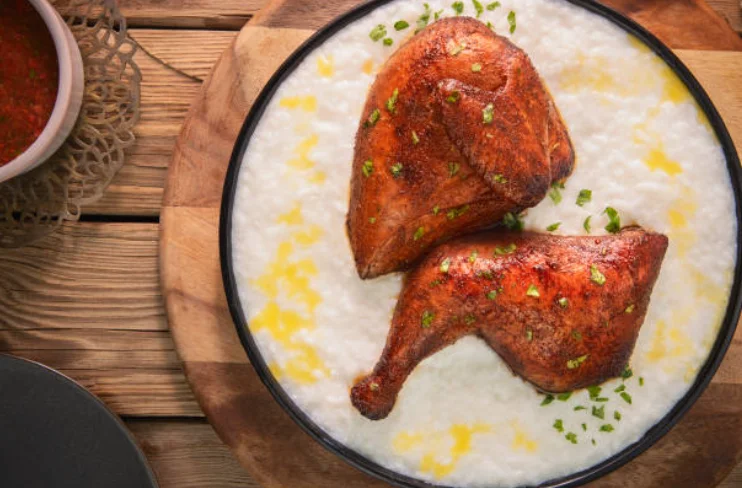
Saleeg: The Comfort Food of Western Saudi Arabia
Saleeg is particularly popular in cities such as Taif, Jeddah, and Makkah.
What Is Saleeg?
Saleeg is made using:
- Rice
- Milk
- Butter
- Chicken or meat
The texture is smooth, creamy, and comforting.
Many people compare Saleeg to a savory rice porridge, although its flavor profile is distinctly Saudi.
Its simplicity is part of its appeal.
While some dishes rely heavily on spice blends, Saleeg highlights richness and texture.
Mutabbaq: A Street Food Favorite
Saudi Arabia’s food culture is not limited to large family meals.
Street food also plays an important role.
One of the most popular examples is Mutabbaq.
Why People Love Mutabbaq
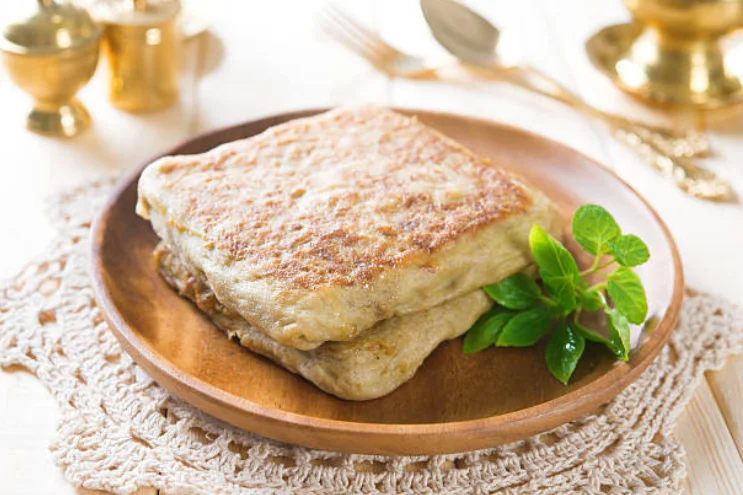
Mutabbaq consists of thin dough filled with ingredients such as:
- Minced meat
- Eggs
- Onions
- Vegetables
The dough is folded and grilled until crispy.
It is flavorful, portable, and widely enjoyed throughout the Kingdom.
For visitors seeking a quick introduction to local street food, Mutabbaq is often an excellent choice.
The Importance of Dates in Saudi Food Culture
Few ingredients are as closely connected to Saudi Arabia as dates.
Dates have been cultivated in the region for thousands of years and remain a major part of daily life.
They are commonly served:
- With Arabic coffee
- During Ramadan
- At family gatherings
- As a welcoming snack for guests
Saudi Arabia produces numerous date varieties, each with its own texture and flavor.
Some of the most popular include:
- Ajwa
- Sukkari
- Khalas
- Safawi
Dates are not only delicious but also deeply connected to cultural and religious traditions.
The story of traditional foods in saudi arabia becomes even more fascinating when we explore traditional desserts, Arabic coffee culture, festive dishes, regional specialties, dining customs, and the foods every traveler should try first. Those elements reveal another side of Saudi cuisine that many international visitors never fully experience.
The deeper you explore traditional foods in saudi arabia, the more you realize that food is closely connected to identity, celebration, and everyday life. While famous dishes like Kabsa often receive most of the attention, there is an entire world of traditional desserts, beverages, regional specialties, and dining customs that help complete the Saudi culinary experience.
Many travelers arrive expecting only rice and meat dishes. What they discover instead is a diverse food culture shaped by history, trade, religion, geography, and generations of family traditions.
This second part explores those lesser-known yet equally important aspects of Saudi cuisine.
Traditional Saudi Desserts That Deserve More Attention
Saudi desserts often balance sweetness with simple, natural ingredients. Dates, honey, flour, cardamom, saffron, and nuts are commonly used across different regions.
Unlike some desserts that focus on excessive sweetness, many Saudi treats emphasize texture and aromatic flavors.
Maamoul
Maamoul is one of the most popular traditional pastries in Saudi Arabia.
These delicate cookies are usually filled with:
- Dates
- Pistachios
- Walnuts
They are especially common during:
- Eid celebrations
- Family gatherings
- Religious holidays
The beautiful patterns pressed into the dough make them instantly recognizable.
Kleija
Kleija is particularly famous in the Qassim region.
This traditional pastry features:
- Date filling
- Spices
- Thin baked dough
Many families have their own versions passed down through generations.
Because of its cultural importance, Kleija has become one of the most recognized traditional Saudi sweets.
Luqaimat
Luqaimat are small fried dough balls coated with:
- Honey
- Date syrup
- Sugar syrup
They are crispy on the outside and soft inside.
Many Saudis enjoy Luqaimat during Ramadan, where they often appear alongside other traditional dishes after sunset meals.
Arabic Coffee: More Than Just a Drink
One of the most important elements of traditional foods in saudi arabia isn’t actually food.
It is Arabic coffee, known as Gahwa.
Why Is Gahwa So Important?
Serving coffee represents hospitality, respect, and generosity.
Guests visiting a Saudi home are often welcomed with:
- Arabic coffee
- Dates
This tradition has existed for centuries.
The preparation and serving process follows customs that remain highly respected throughout Saudi society.
What Makes Saudi Coffee Different?
Saudi coffee is typically prepared using:
- Lightly roasted coffee beans
- Cardamom
- Saffron
- Cloves (sometimes)
The flavor is lighter than many Western coffee styles.
Rather than focusing on bitterness, Saudi coffee emphasizes aroma and warmth.
Many visitors are surprised by how different it tastes compared to regular coffee.
Ramadan and Traditional Saudi Foods
Ramadan offers one of the best opportunities to experience authentic Saudi cuisine.
Throughout the holy month, families prepare special dishes that may not appear as frequently during other times of the year.
Popular Ramadan foods include:
- Samboosa
- Luqaimat
- Jareesh
- Soups
- Dates
- Kabsa
As sunset approaches, families gather together to break their fast.
The atmosphere is often filled with community spirit, hospitality, and tradition.
For many Saudis, these meals create some of the most meaningful memories of the year.
Samboosa: A Ramadan Favorite
Samboosa holds a special place in Saudi households.
These crispy pastries are usually filled with:
- Meat
- Cheese
- Vegetables
During Ramadan, they appear on countless dining tables across the Kingdom.
The popularity of Samboosa demonstrates how Saudi cuisine has embraced influences from neighboring regions while making them part of local food culture.
Traditional Bread in Saudi Arabia
Bread plays a significant role in many traditional meals.
Different regions produce unique varieties based on local ingredients and cooking methods.
Tamees
Tamees is one of the most popular breads in Saudi Arabia.
It is:
- Soft
- Slightly chewy
- Often baked in clay ovens
People commonly enjoy it with:
- Beans
- Cheese
- Honey
- Tea
Many Saudis consider fresh Tamees a breakfast staple.
Markook Bread
Markook is a very thin flatbread often served alongside traditional dishes.
Its versatility makes it suitable for:
- Meat dishes
- Stews
- Breakfast meals
The bread is traditionally prepared on a hot metal surface and remains popular throughout many regions.
Seafood Traditions Along the Arabian Gulf
Here is something many people overlook.
Saudi Arabia has extensive coastlines, which means seafood plays an important role in several regional cuisines.
The Eastern Province, in particular, is known for:
- Grilled fish
- Shrimp dishes
- Seafood rice meals
Fresh catches from the Arabian Gulf influence many local recipes.
Popular fish varieties include:
- Hamour
- Safi
- Kingfish
These ingredients help create a culinary identity that differs from inland regions.
The Influence of Geography on Saudi Cuisine
One reason traditional foods in saudi arabia are so diverse is geography.
Different environments produce different ingredients and cooking traditions.
Desert Regions
Desert communities historically relied on:
- Dates
- Grains
- Livestock
This led to hearty dishes focused on nourishment and practicality.
Coastal Areas
Coastal cities developed cuisines featuring:
- Fish
- Shrimp
- Trade-influenced spices
Their recipes often reflect connections with international trade routes.
Mountainous Regions
Southern mountainous regions produce:
- Honey
- Fruits
- Unique grains
These ingredients contribute to distinctive regional specialties not commonly found elsewhere.
Dining Customs Every Visitor Should Know
Understanding dining etiquette helps visitors appreciate Saudi food culture more deeply.
Eating Together
Traditional meals are often shared from a large communal platter.
This style encourages:
- Conversation
- Family connection
- Hospitality
Many people eat using their right hand, particularly during traditional gatherings.
Respecting Guests
Guests are frequently encouraged to eat more.
For newcomers, this can be surprising.
However, it reflects generosity rather than pressure.
Offering abundant food is considered a sign of hospitality and respect.
Coffee Traditions
When coffee is served:
- Small cups are used
- Refills are common
- Guests typically signal when finished
These customs remain an important part of Saudi social life.
Foods Every Tourist Should Try
Visitors interested in authentic traditional foods in saudi arabia should prioritize these dishes:
1. Kabsa
The national favorite and an essential culinary experience.
2. Mandi
Perfect for those who enjoy tender meat and aromatic rice.
3. Jareesh
A traditional dish that reflects Saudi heritage.
4. Saleeg
A creamy comfort food popular in western regions.
5. Matazeez
A unique homemade dish with deep cultural roots.
6. Mutabbaq
One of the Kingdom’s most loved street foods.
7. Luqaimat
A sweet dessert commonly enjoyed during Ramadan.
8. Arabic Coffee and Dates
Perhaps the most authentic introduction to Saudi hospitality.
Why Saudi Cuisine Is Gaining Global Attention
Over the past few years, interest in Saudi food culture has increased significantly.
Several factors contribute to this growing popularity:
- Increased tourism
- Cultural festivals
- International food events
- Social media exposure
- Culinary preservation initiatives
As more travelers visit the Kingdom, they discover that Saudi cuisine offers far more variety than expected.
Many return home with a completely different understanding of Middle Eastern food.
Common Questions About Traditional Foods in Saudi Arabia
What is the national dish of Saudi Arabia?
Kabsa is widely considered the national dish of Saudi Arabia.
What food is Saudi Arabia famous for?
Saudi Arabia is famous for Kabsa, Mandi, Jareesh, Saleeg, dates, and Arabic coffee.
What do Saudi people eat daily?
Daily meals often include rice dishes, bread, meat, vegetables, dairy products, dates, and tea or coffee.
Are Saudi foods spicy?
Most traditional Saudi dishes are flavorful rather than extremely spicy. They rely more on aromatic spices than intense heat.
What dessert is popular in Saudi Arabia?
Popular desserts include Luqaimat, Maamoul, and Kleija.
The Future of Traditional Saudi Cuisine
As Saudi Arabia continues to modernize, traditional recipes remain an important part of cultural preservation.
Young chefs and restaurants are finding new ways to celebrate heritage while introducing Saudi cuisine to international audiences.
Food festivals, cultural events, and tourism initiatives are helping preserve classic recipes that have been enjoyed for generations.
This balance between tradition and innovation ensures that Saudi culinary heritage continues to thrive.
Final Verdict
Traditional foods in saudi arabia represent much more than meals. They reflect hospitality, history, family values, regional diversity, and centuries of cultural tradition.
From the famous Kabsa served at celebrations to the comforting flavors of Jareesh, the creamy richness of Saleeg, and the welcoming combination of Arabic coffee and dates, every dish tells part of Saudi Arabia’s story.
For travelers, food lovers, and anyone interested in Middle Eastern culture, exploring Saudi cuisine offers a unique opportunity to understand the Kingdom through its most cherished traditions. The variety, authenticity, and cultural significance of these dishes make Saudi food one of the region’s most fascinating culinary experiences.
Related Halal Food Guides You May Find Helpful
People searching for “Is [ Is Perdue Chicken Halal? ]” are also curious about other foods and ingredients. Below, you’ll find related halal food articles that clearly explain ingredient sources, how products are made, and whether they meet halal requirements.
More. [ Is Tyson Chicken Halal in the USA? ]
More.[ Best halal chicken brands in USA ]
More. [ Is Sanderson Farms Halal? ]